

























































New Year’s Resolution 2026
Dear Friend,
Happy New Year, and welcome to 2026! I hope you’re all doing well and managing to stay warm through this bitterly cold spell. The long, dark evenings can feel especially heavy this time of year, and it’s normal if you’re finding January a bit tough. The Christmas buzz has faded, and the fresh excitement of a new year sometimes gives way to the simple challenge of getting through each day.
This week, I want to dive into a tradition many of us are familiar with but may not fully understand—the New Year’s resolution.
Where Do New Year’s Resolutions Come From?
The idea of making promises at the start of a new year isn’t new. In fact, it dates back over 4,000 years to ancient Babylon. Back then, people celebrated the new year in mid-March with a festival called Akitu. Part of the tradition was to make promises to their gods to pay debts and return borrowed items, essentially starting the year with a clean slate.
Later, the Romans adopted a similar practice. January is named after Janus, the two-faced god who looks both backward and forward. Romans believed that reflecting on the past and planning for the future was important, so they made vows of good conduct at the start of January.
Fast forward to today, and New Year’s resolutions have become a secular, personal tradition—an opportunity for self-improvement and fresh starts. The concept is appealing: a clear marker on the calendar that signals change is possible.
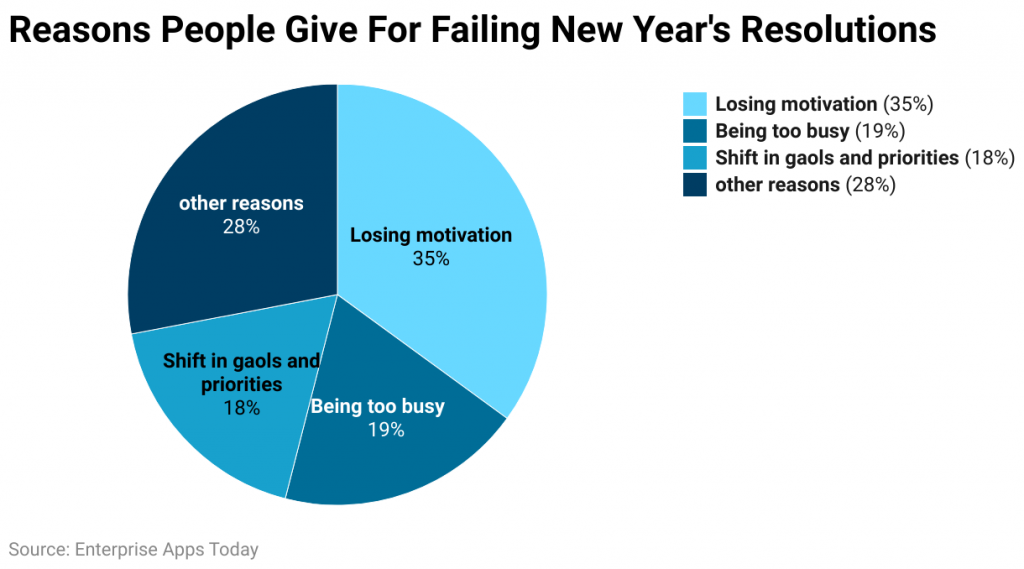
Why Do Most Resolutions Fail?
Despite good intentions, research suggests most resolutions don’t last. A 2007 study published in the Journal of Clinical Psychology tracked over 3,000 people and found that while 52% of participants maintained their resolutions for six months, only 19% were successful after two years.
Another study in 2014 in PLoS ONE analysed why people fail their goals and highlighted three main reasons:
Setting vague or unrealistic goals
Relying on willpower alone without planning
Lack of social support or accountability
For example, a resolution like “lose weight” or “get fit” is admirable but often too broad. Without concrete steps or support, it’s easy to lose momentum.
How to Make Resolutions That Stick
If you’re like me, you may have made resolutions in the past only to abandon them by February. The key is to change how you think about resolutions.
Focus on systems, not outcomes. Instead of “lose 10 pounds,” try “walk 10 minutes after lunch three times a week.” Small habits build up.
Be flexible and kind to yourself. Slips aren’t failures—they’re part of the process.
Make goals measurable and specific. Clear targets help track progress.
Build social accountability. Sharing your goals with friends or mentors can increase success.
My Resolution for 2026
This year, my focus is on building a healthier lifestyle—not just physically, but mentally too. After months of struggling with repeated infections and gut discomfort, I decided to get professional support. I signed up with a nutritionist to improve my diet with better balance and more micronutrients critical for immune function, like vitamin D and zinc.
I’m also talking regularly with someone to share stresses and worries—a practice backed by research showing that expressing emotions and seeking social support improves mental resilience. A 2018 study in JAMA Psychiatry found that structured therapy significantly reduces symptoms of anxiety and depression, which in turn supports overall wellbeing.
What’s Your Resolution?
I’d love to hear what you’re aiming for this year. Whether it’s a small habit or a big life change, remember: resolutions aren’t about perfection. They’re about progress and patience.
Here’s to a year of resilience, growth, and gentle persistence. You’ve got this.
Drug of the week
Etidronate
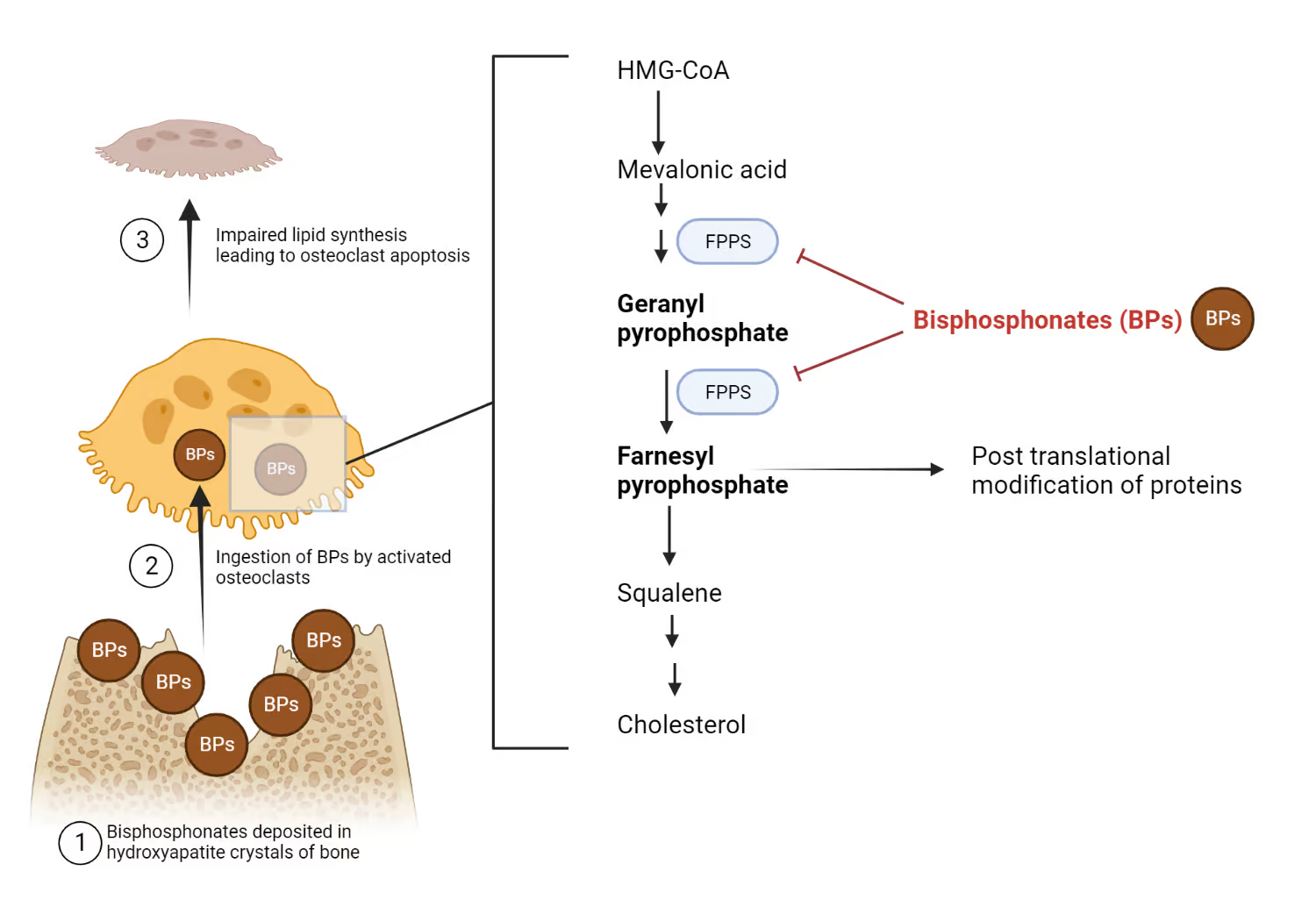
Etidronate is an early bisphosphonate. It’s used mainly for diseases with abnormal bone turnover—like Paget disease and heterotopic ossification.
It binds to hydroxyapatite and stops osteoclasts from breaking down bone.
At higher or long-term doses, it also blocks bone mineralization.
This effect is both its strength and its drawback.
Common side effects include stomach upset, diarrhoea, and muscle pain.
The key toxicity is osteomalacia with long use—why newer bisphosphonates are preferred now.
A Brain Teaser
A 29-year-old man presents to the emergency department after being hit in the face by a ball whilst playing rugby. The patient reports some nasal pain but feels otherwise well. On examination, the left nasal septum is swollen and soft to the touch. Externally, the nose appears aligned and there is no epistaxis.
What is the best management step?
A: Anterior nasal packing
B: Leave for 7-14 days then attempt reduction
C: Posterior nasal packing
D: Routine ENT referral
E: Urgent ENT referral
Answers
The answer is E – urgent ENT referral.
This scenario describes a 29-year-old man who has presented with a septal haematoma following a rugby injury. A septal haematoma is indicated by a boggy swelling of the nasal septum. It is a serious complication and the haematoma can interrupt blood supply to the septum. As a result, the single best answer is an urgent ENT referral for drainage. This should be an urgent, same-day service.
Anterior nasal packing is an incorrect answer. This is one of the management steps for anterior nose bleeds. This would not be suitable for this patient.
Leave for 7-14 days and then attempt reduction is incorrect. This may be indicated in a nasal fracture, where management can include allowing inflammation to settle before external reduction. This is not suitable for septal haematoma.
Posterior nasal packing is not suitable. Posterior nasal packing may be indicated in a posterior nose bleed, which is not described in this scenario.
Routine ENT referral is not the single best answer. Urgent referral for drainage is required in septal haematoma.