


















































Learning from Unseen Teachers
Dear Friend,
Hope everyone’s having a good week. The air feels crisper now, and I’ve officially accepted that coffee is no longer optional — it’s seasonal self-preservation.
This week, I finally settled back into my usual routine: a mix of MDTs, clinics, admin time, and — most excitingly — creating my very first radiotherapy plan.
In oncology, there are two types of doctors. Medical oncologists, who focus on chemotherapy and systemic treatments; and clinical oncologists, who do that plus plan and deliver radiotherapy. I fall into the latter camp — and until recently, I’d never created a radiotherapy plan in my life.
To be honest, I was nervous about it. During my first week, the other registrars encouraged me to practise as much as possible — to do, redo, and then do again. So when I finally had the software open, CT scan loaded, and my consultant beside me, I braced myself for the instruction I’d been waiting for: “Draw the bladder.”
Instead, he said, “Let’s go for a coffee.”
On the way, he took me on a tour of the radiotherapy department. We stopped at the linear accelerators, the mould room (where custom shields are created to protect healthy tissue), and the CT planning suite. He explained each step of the patient’s radiotherapy journey — from the moment they arrive for moulding to their final treatment session.
Before I could start planning, he said, I needed to understand what the process truly involves. It wasn’t about drawing contours or pressing buttons — it was about understanding what happens behind every line on the screen. It was back to first principles.
My homework for the week wasn’t to complete five plans, as I’d expected, but to spend time with the radiographers, the moulding technicians, and the physics team — to see how each piece of the process fits together.
That experience reminded me of something I’ve been thinking about a lot lately: how easy it is, especially as junior doctors and medical students, to assume that most of our learning comes from senior doctors — consultants, registrars, and lecturers. But in truth, some of the most valuable lessons come from people we might not think to ask.
The Unseen Teachers
Nurses, pharmacists, radiographers, and so many others hold a depth of practical knowledge that can completely change how we see a case, a system, or a patient. Nurses know how to make a complex medication round run smoothly. Pharmacists can spot subtle drug interactions before they cause harm. Radiographers see patterns in scans that textbooks will never show.
They’re specialists in their own right — and if we only learn “upward,” we risk missing the incredible insights sitting right beside us. Each member has a separate piece of the puzzle to make you the “complete doctor.”

Why This Matters
When you’re new to the wards, it’s easy to fall into the mindset that real learning happens during consultant ward rounds or registrar teaching. But medicine isn’t just hierarchy and handovers — it’s a team sport. Each member brings expertise built from experience, and the best clinicians are the ones who know how to learn from everyone.
The nurse who’s been on that ward for 15 years might teach you more about practical patient care than a lecture ever could. The pharmacist who questions your prescription isn’t criticising — they’re helping you keep your patient safe. And the radiographer who shows you why a film was tricky to position might quietly sharpen your diagnostic eye.
When a patient attends hospital, they will spend more time with these members of the team than the doctor. However, when anything goes wrong, they look to the doctor for an answer. Therefore, you have to be the master of all trades – and the best doctors will know the medicine but also the general principles about every step of the patient journey. It’s not just about doing your job, it’s about understanding why you are doing it.
What I’m Trying to Do Differently
I’ve started asking more questions — not just to registrars, but to anyone who knows the system better than I do. “How do you usually give that drug?” “What makes this line tricky?” “What do you look for on this image?” It’s amazing how generous people are when you show genuine curiosity.
A Few Key Takeaways
Everyone on the ward has something to teach you — if you take the time to ask.
Expertise doesn’t always come with a title – so drop your ego.
The best doctors are often the best collaborators.
So this week, maybe take a moment to learn sideways, not just upward. Ask the nurse, the pharmacist, the physio, or the radiographer how they see things. You might be surprised how much richer your practice becomes.
Have a lovely week — and if you’re on nights, may your coffee be strong and your bleeps merciful.
Drug of the week
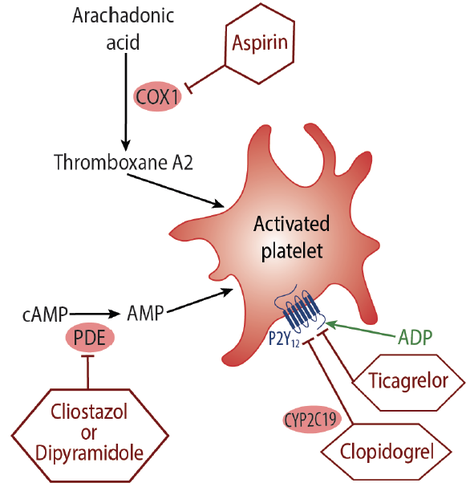
Clopidogrel
Clopidogrel is an oral antiplatelet agent that irreversibly inhibits the P2Y₁₂ subtype of ADP receptors on platelet cell membranes.
This prevents platelet aggregation and reduces the risk of thrombotic events.
It is used for the prevention of atherosclerotic events in patients with recent myocardial infarction, stroke, or established peripheral arterial disease.
It is often used in combination with aspirin after percutaneous coronary intervention (PCI) or in acute coronary syndromes.
Common side effects include bleeding, bruising, diarrhea, and rash.
Serious adverse effects include gastrointestinal bleeding, thrombotic thrombocytopenic purpura (TTP), and neutropenia (rare).
A Brain Teaser
A 22-year-old woman presents to the Emergency Department with confusion, nausea, and tremors. On examination, she is found to have a temperature of 38.5°C and is noted to be sweating profusely. Blood investigations reveal significant hyponatraemia. On further questioning, her friends mentioned that she had taken ‘something’ earlier that evening before her symptoms started.
What substance is the patient most likely to have ingested?
A: Alcohol
B: Cocaine
C: LSD
D: MDMA
E: Methamphetamine
Answers
The answer is D – MDMA.
MDMA is the correct answer. The presentation of confusion, nausea, tremors, fever, excessive sweating, and significant hyponatraemia fits with MDMA (Ecstasy) intoxication. MDMA can cause a syndrome of inappropriate antidiuretic hormone secretion (SIADH). SIADH leads to excessive water retention, diluting the sodium in the body, thereby causing hyponatraemia. Hyperthermia and profuse sweating are also characteristic of MDMA use, correlating with its effects on serotonin and norepinephrine release and reuptake inhibition.
Whilst acute alcohol ingestion can lead to a range of symptoms including confusion and nausea, it is not typically associated with the specific combination of hyperthermia, profuse sweating, and hyponatraemia observed in this case. Chronic alcohol abuse can lead to hyponatraemia due to various factors like poor diet, increased free water intake, and the effects of alcohol on the kidneys and antidiuretic hormone. However, the acute presentation described here, particularly in the context of her friends mentioning she had taken ‘something’ that evening, makes acute alcohol intoxication less likely.
Although cocaine can cause symptoms like hyperthermia, sweating, and confusion due to its stimulatory effects on the sympathetic nervous system, it is less commonly associated with hyponatraemia. Cocaine’s effects are more often associated with cardiovascular issues like arrhythmias, myocardial infarction, and hypertension.
LSD (lysergic acid diethylamide), a hallucinogen, primarily causes psychological effects such as hallucinations, altered sensory perceptions, and mood changes. It doesn’t typically lead to hyponatraemia or the somatic symptoms of hyperthermia and sweating seen in this patient.
Whilst methamphetamine use can result in hyperthermia, agitation, and excessive sweating due to its potent stimulant properties, these features are not typically associated with hyponatraemia, which is a key finding in this patient’s presentation.