


























































Cobra effect
Dear Friend,
It’s been quite a significant week for me personally. I’ve just published my second book, which means the entire revision guide series is finally complete. Writing the first book felt like a challenge in itself, but seeing the whole series finished is something else entirely. To be honest, it still hasn’t quite sunk in yet.
The launch went really well, and it was incredibly rewarding to see people engaging with the work and finding it useful. I’ll share more about the launch and the process behind it in next week’s newsletter, but for now I’m still processing the moment.
The Cobra Effect
This week, while reading, I came across a concept that really stuck with me: the Cobra Effect.
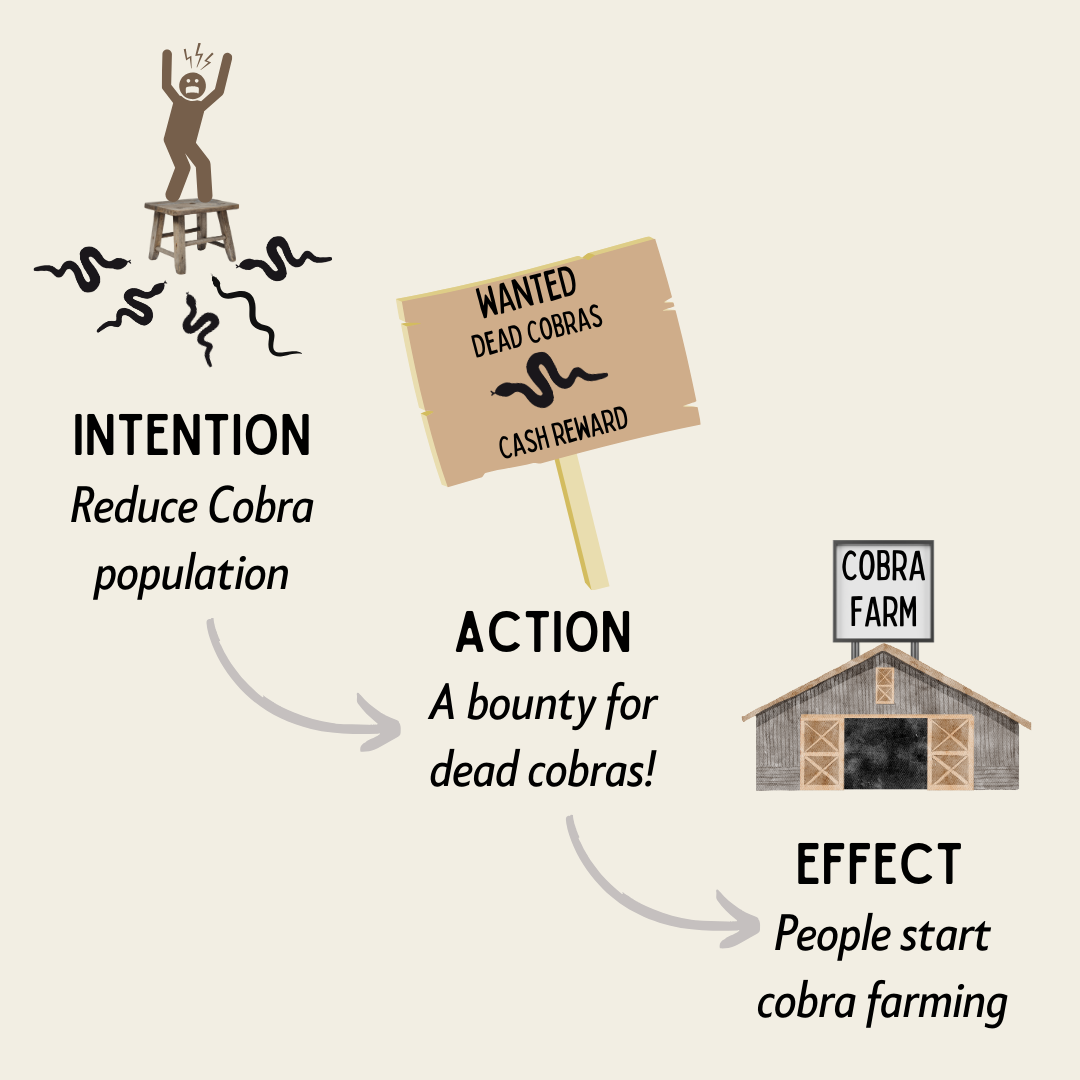
The idea comes from a story often linked to colonial India. At the time, the city of Delhi had a problem with venomous cobras. In an attempt to reduce their numbers, the government introduced a bounty: people would be paid for every dead cobra they brought in.
Initially, the policy seemed like a success. Dead snakes were being handed in, and the authorities thought the problem was being solved.
But something unexpected happened. People began breeding cobras to kill them and collect the reward. When the government realised this and cancelled the bounty, the breeders simply released their now-worthless snakes back into the city. In the end, the cobra population actually increased.
Whether every detail of the story is historically accurate is debated, but the broader idea is well recognised in economics and public policy. When incentives are poorly designed, they can produce unintended consequences that worsen the original problem.
This phenomenon is now known as the Cobra Effect.
The Cobra Effect in Medicine
Healthcare is full of systems, targets, and incentives designed to improve care. Most of the time they are introduced with good intentions. But sometimes, the Cobra Effect quietly creeps in.
One example often discussed is waiting time targets.
Setting targets to reduce waiting times can improve efficiency and encourage hospitals to move patients through the system faster. But when these targets become rigid performance metrics, behaviour can change in unintended ways.
Hospitals may prioritise simpler cases that can be processed quickly, helping them meet the target. Meanwhile, patients with more complex or urgent problems—who take longer to assess and treat—can end up waiting longer.
On paper, the numbers look better. Waiting times are down. But in reality, the patients who most need attention may not benefit.
A Small Reminder
The Cobra Effect is a useful reminder that solving problems is rarely as simple as introducing a rule or incentive. Human behaviour adapts quickly. Systems react in ways we don’t always anticipate.
In medicine, this matters a lot. Policies designed to improve care can sometimes shift attention away from the patients who need it most. That doesn’t mean targets or incentives are wrong, but it does mean we should approach them with careful thought and reflection.
Sometimes, in trying to fix a problem, we risk making it worse without realising it.
For now, I’m taking a moment to appreciate the milestone of finishing the book series. Next week I’ll share a bit more about the launch and what comes next.
Drug of the week
Carboplatin
Carboplatin is a platinum-based chemotherapy drug. It’s used in several cancers, including ovarian, lung, and head and neck cancers.
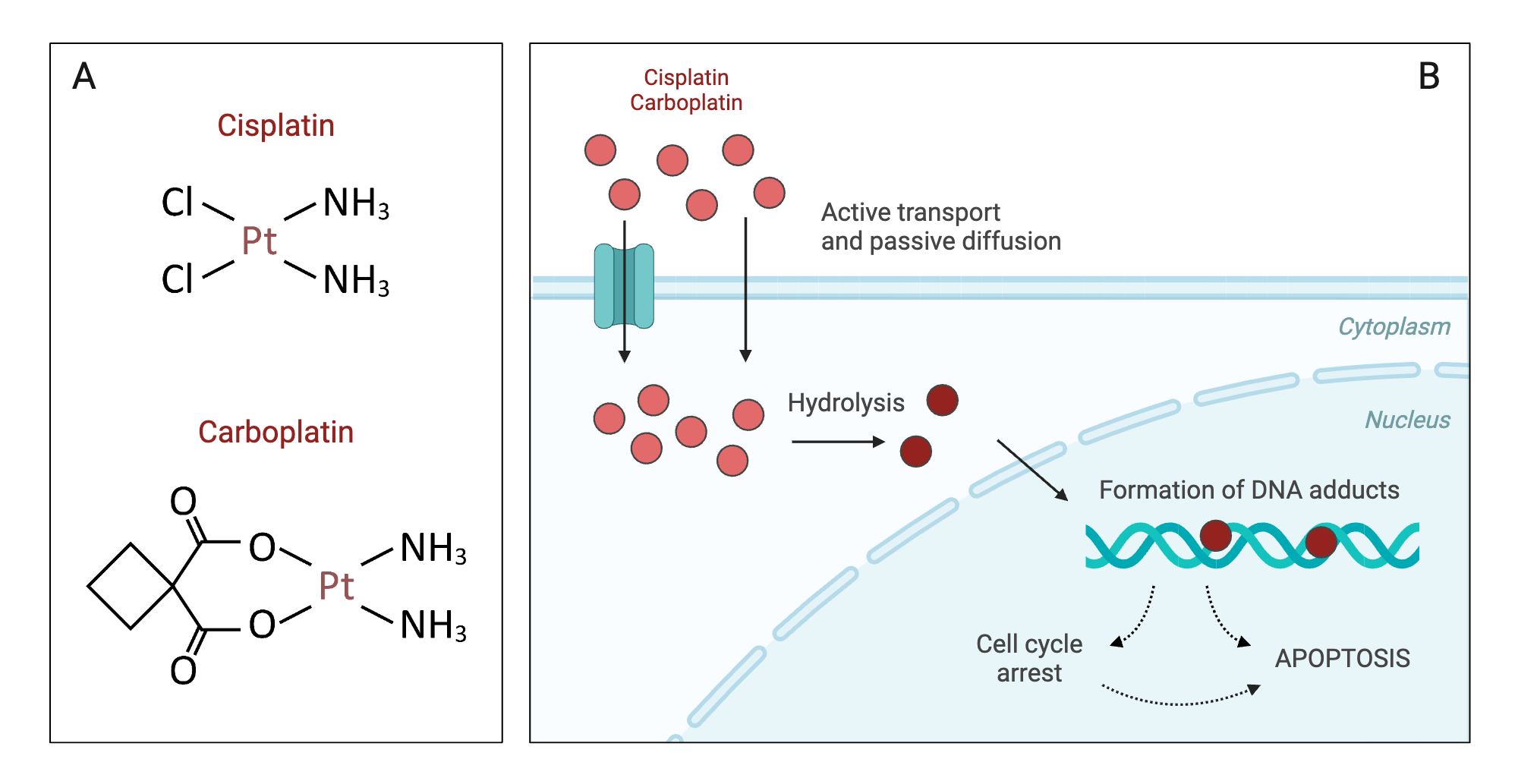
It works by forming cross-links within DNA. This damages the DNA structure and prevents replication. Rapidly dividing cells are most affected.
Carboplatin is often used instead of cisplatin. It has similar anti-tumour activity but is generally better tolerated.
The main side effect is myelosuppression, particularly thrombocytopenia. Nausea, fatigue, and mild neuropathy can also occur.
Its advantage is reduced kidney toxicity compared with cisplatin. Its limitation is bone marrow suppression, which ofen determines dosing.
A Brain Teaser
A 4-year-old boy is brought to the GP by his parents because they have noticed that his right eye occasionally turns inward. They also feel he often tilts his head when trying to focus on objects.
Visual acuity testing shows reduced vision in the right eye. Examination reveals esotropia of the right eye. The rest of the neurological examination is normal.
Which of the following is the most appropriate initial treatment for this child’s condition?
A: Immediate strabismus surgery
B: Atropine eye drops in the affected eye
C: Patching of the unaffected eye
D: Corrective glasses only
E: Observation and review in six months
Answers
The answer is C – patching of the unaffected eye.
This child likely has amblyopia, commonly called “lazy eye.” It occurs when visual development in childhood is disrupted, leading to reduced vision in one eye despite no structural abnormality.
In this case, the amblyopia is most likely strabismic amblyopia, caused by misalignment of the eyes (esotropia). The brain suppresses input from the deviated eye to avoid double vision, which leads to poor visual development.
The most common initial treatment is occlusion therapy — patching the stronger (unaffected) eye. This forces the brain to use the weaker eye and encourages normal visual development. Early treatment is essential, as the visual system is most adaptable in early childhood.
Why the other options are wrong
A: Immediate strabismus surgery
Surgery may be required later to correct eye alignment but does not treat amblyopia itself. Vision must first be improved
B: Atropine eye drops in the affected eye
Atropine is sometimes used in the stronger eye, not the affected one, to blur vision and encourage use of the weaker eye.
D: Corrective glasses only
Glasses may help if refractive error is present, but they are usually not sufficient alone for amblyopia caused by strabismus.
E: Observation and review in six months
Delaying treatment risks permanent visual impairment because visual development occurs mainly in early childhood.