





















































Learning a musical instrument
Dear Friend,
Hope you had have a good week. This week for me is more reminiscent of my IMT days, as I am currently on day 7 out of a 8-day consecutive stretch, which has incorporated a mix of long days, night shift (albeit non-resident), weekend on-call. Though the end is in sight, one more day till a break.
When I was at school, music was one of the few things that felt both disciplined and freeing at the same time. I played the violin and the guitar — eventually reaching grade 6 for violin and grade 8 for guitar — and for a few years, practice was woven into the rhythm of my life. Scales, arpeggios, études, the thrill of finally getting a difficult passage clean.
Then university arrived, and like it does for many of us, it rearranged everything. The hours I used to spend practising were swallowed by lectures, deadlines, and the general chaos of becoming an adult. The instruments were still there, quietly waiting… but the time wasn’t. And even now, part of me aches to pick them up again, but another part whispers, When exactly are you going to fit that in?
Lately though, I’ve been wondering whether that whisper is worth challenging. Because the benefits of learning a musical instrument go far beyond playing a tune.
P.s. the photo below is taken in the golden years when I was 8.

What the Research Says
Over the years, studies have consistently shown that learning music changes the brain — literally.
Children who learn instruments tend to show improvements in memory, language development, and overall academic performance. Adults who continue musical training often demonstrate better executive function, sharper attention, and even enhanced emotional regulation.
MRI studies have shown increased connectivity between brain regions involved in hearing, movement, and cognition among musicians. Other research suggests that regular musical practice may have protective effects on mood, helping with stress, anxiety, and overall wellbeing.
So it isn’t just poetic to say that music makes you smarter — there’s a biological footprint for it.
But perhaps more importantly…
Music gives you something few other skills do: a way to understand beauty from the inside out.
When you learn theory — key signatures, chord progressions, modulations — songs stop being background noise. You start hearing choices, not just sounds. You notice when a composer moves from the tonic to the dominant, when they slip in a deceptive cadence, when a chorus lifts because of a perfectly timed modulation.
It’s like switching from watching a magic show to learning just enough of the craft to appreciate how intricate the illusions really are. You don’t love the music less — you love it more.
And it’s never too late
One of the myths we tell ourselves in adulthood is that learning belongs to the young. That if you didn’t master something by 18, the window has closed.
But music doesn’t care how old you are
Your fingers might be slower, sure. Your schedule tighter. But the joy of playing a simple piece well is the same at 30, 40, or 70 as it was at 14.
And unlike the solitary revision of medical exams, music connects you to people. Join a band, a community orchestra, a local jam night — suddenly you’re part of a shared language, a small tribe of people gathered around a staff of lines and a handful of notes.
So maybe the question isn’t “Do I have time?”
Maybe it’s:
Do I have space for something that nourishes me?
Something that grows my mind and lifts my mood?
Something that reminds me that learning doesn’t have to be utilitarian — it can be joyful too?
Because the truth is, the benefits of learning an instrument aren’t only about cognition or academic performance. They’re about having a piece of your life that’s just yours — creative, grounding, and quietly meaningful. And maybe, despite the busyness, that’s still worth making room for.
Maybe something to pick up again in the new year.
Drug of the week
Nifedipine
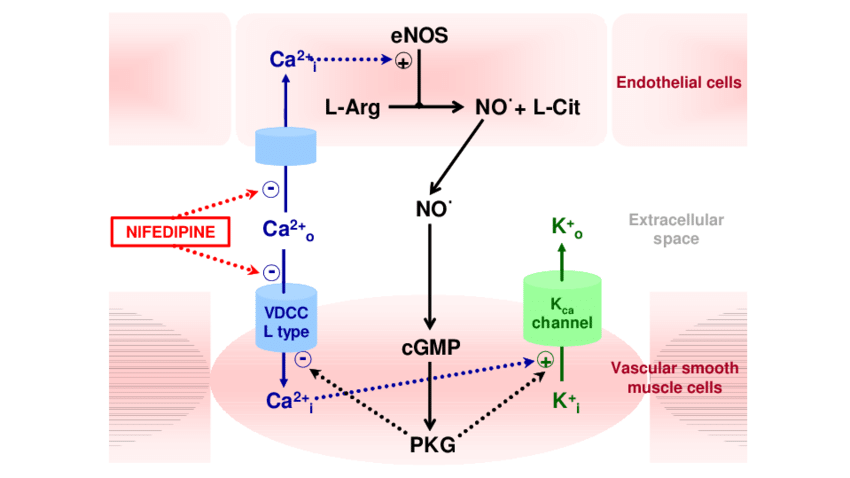
Nifedipine is a calcium channel blocker used primarily to treat hypertension and chronic stable or vasospastic angina.
It works by blocking L-type calcium channels in vascular smooth muscle, leading to vasodilation.
By relaxing arterial vessels, nifedipine lowers blood pressure and reduces the heart’s workload, improving oxygen delivery to the heart.
It’s available in immediate-release and extended-release formulations, but extended-release is preferred for chronic management due to smoother blood-pressure control and fewer adverse effects.
Common side effects include headache, flushing, dizziness, peripheral edema, and palpitations.
Because it causes vasodilation, some patients experience reflex tachycardia—particularly with immediate-release products.
Nifedipine should not be used for acute blood pressure emergencies; rapid-acting formulations are generally avoided due to risk of sudden hypotension and ischaemia.
A Brain Teaser
A 45-year-old man has 12 hours of acute severe abdominal pain in the lower quadrants. He has chronic kidney disease managed with peritoneal dialysis and a history of intravenous drug use.
His pulse is 110 beats per minute, his blood pressure is 130/85 mmHg, his respiratory rate is 22 breaths per minute, and his temperature is 38.6 ºC. Abdominal examination reveals diffuse tenderness with rebound tenderness and guarding. His dialysis fluid appears cloudy.
What organism is the most likely causative agent for this presentation?
A: E. coli
B: Staph aureus
C: Staph epidermidis
D: Strep bovis
E: Strep viridans
Answers
The answer is C – strep epidermidis.
Staphylococcus epidermidis is correct. Diffuse tenderness with rebound tenderness and guarding on examination alongside systemic signs of infection suggest peritonitis. Given this patient’s use of dialysis and cloudy dialysis fluid, peritonitis is likely secondary to peritoneal dialysis. Staphylococcus epidermidis is a common cause due to its ability to form biofilms on dialysis catheters.
Escherichia coli is incorrect. While common in intra-abdominal infections and peritonitis, Staphylococcus epidermidis is more likely in peritoneal dialysis-associated peritonitis due to contamination of the dialysis catheter or exit site.
Staphylococcus aureus is incorrect. Although it causes various infections, including bloodstream and skin infections, Staphylococcus epidermidis is the primary pathogen in dialysis-related peritonitis.
Streptococcus bovis is incorrect. Associated with infective endocarditis and colorectal cancer, it is not implicated in this patient’s current presentation.
Streptococcus viridans is incorrect. Typically linked with dental infections and infective endocarditis, it is much less common in intra-abdominal infections such as peritonitis.