


























































Special Offer – 30% off
Dear Friend,
Hope everyone is having a good week. Now that everyone is settled back into the swing of university after the summer break, I’d like to share the news of a special discount for my book, The Revision Guide for Core Clinical Medicine.
This book designed to make mastering key concepts faster, clearer, and more efficient — whether you’re preparing for exams (medical school exams, MSRA, MRCP and PLAB) or brushing up on clinical essentials.
💡 This week only, you can get 30% off when you buy directly from the World Scientific Publishing website.
Use the discount code: WSQ0433 at checkout.
Each chapter breaks down complex topics into concise, high-yield summaries, tables, and diagrams — perfect for quick revision and long-term retention. It’s written with clarity and practicality in mind, helping you connect the science to the bedside.
Don’t miss out — this offer is only valid for a limited time!
👉 Click here to order from World Scientific Publishing and make your revision more focused, efficient, and exam-ready.
(You can also find the book on Amazon UK, but the special discount is available only via the publisher.)

Drug of the week
Folinic acid
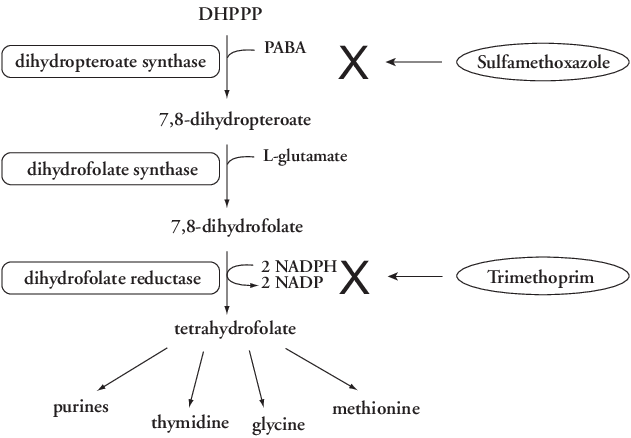
Folinic acid (also known as leucovorin) is a reduced form of folic acid that bypasses the need for dihydrofolate reductase in folate metabolism.
It replenishes intracellular tetrahydrofolate stores and supports DNA synthesis, particularly in rapidly dividing cells.
Clinically, it is used to “rescue” normal cells from the toxic effects of methotrexate in cancer therapy.
It also enhance the efficacy of fluorouracil (5-FU) in colorectal cancer, and treat folate-deficient megaloblastic anemia when rapid correction is needed.
It is also used in the management of methanol toxicity and in congenital or acquired folate metabolism disorders.
Common side effects are generally mild and may include nausea, vomiting, and insomnia.
Serious adverse effects are rare but can include hypersensitivity reactions and seizures (particularly at high doses or in patients with pre-existing neurologic conditions).
A Brain Teaser
A 76-year-old man is admitted to hospital with sudden-onset paralysis and paraesthesia affecting his left side. He has a background of vascular dementia, coronary artery disease and chronic obstructive pulmonary disease (COPD). The speech and language therapy (SALT) team have deemed that he has an unsafe swallow, and have recommended insertion of a nasogastric (NG) tube. His wife refuses the procedure, stating that he gets great enjoyment from his food and feeding him through a tube would make him miserable. She is his lasting power of attorney (LPA).
What is the most appropriate initial course of action?
A: Insert a PEG feeding tube
B: Continue oral feeding
C: Consult another family member
D: Insert an NG tube
E: Assess the patient’s capacity
Answers
The answer is E – assess the patient’s capacity.
Just because it is stated that the patient has dementia, does not mean that they necessarily lack capacity. A capacity assessment should first be performed before any decisions are made. Inserting the NG tube without agreement from either the patient or his wife would not be appropriate – after careful discussion with the wife a compromise may be reached. Continuing oral feeding without first assessing the patient’s capacity would certainly not be in the patient’s best interests. Consulting another family member may undermine the wife, besides, she is the patient’s LPA and should be consulted first on clinical decisions like this. Inserting a PEG tube may be an appropriate long term solution, but should not be considered now until an agreement about oral feeding has been reached.